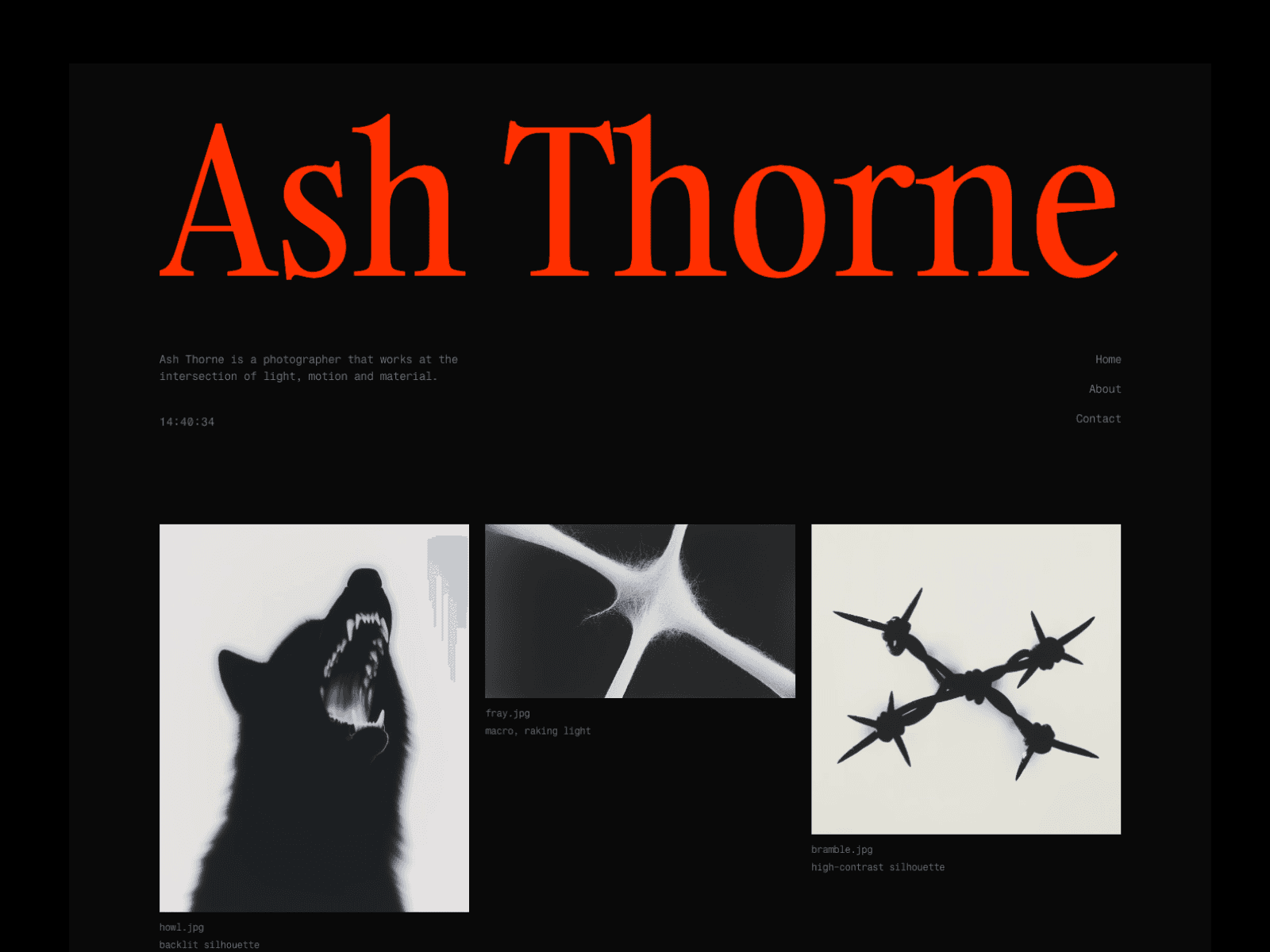
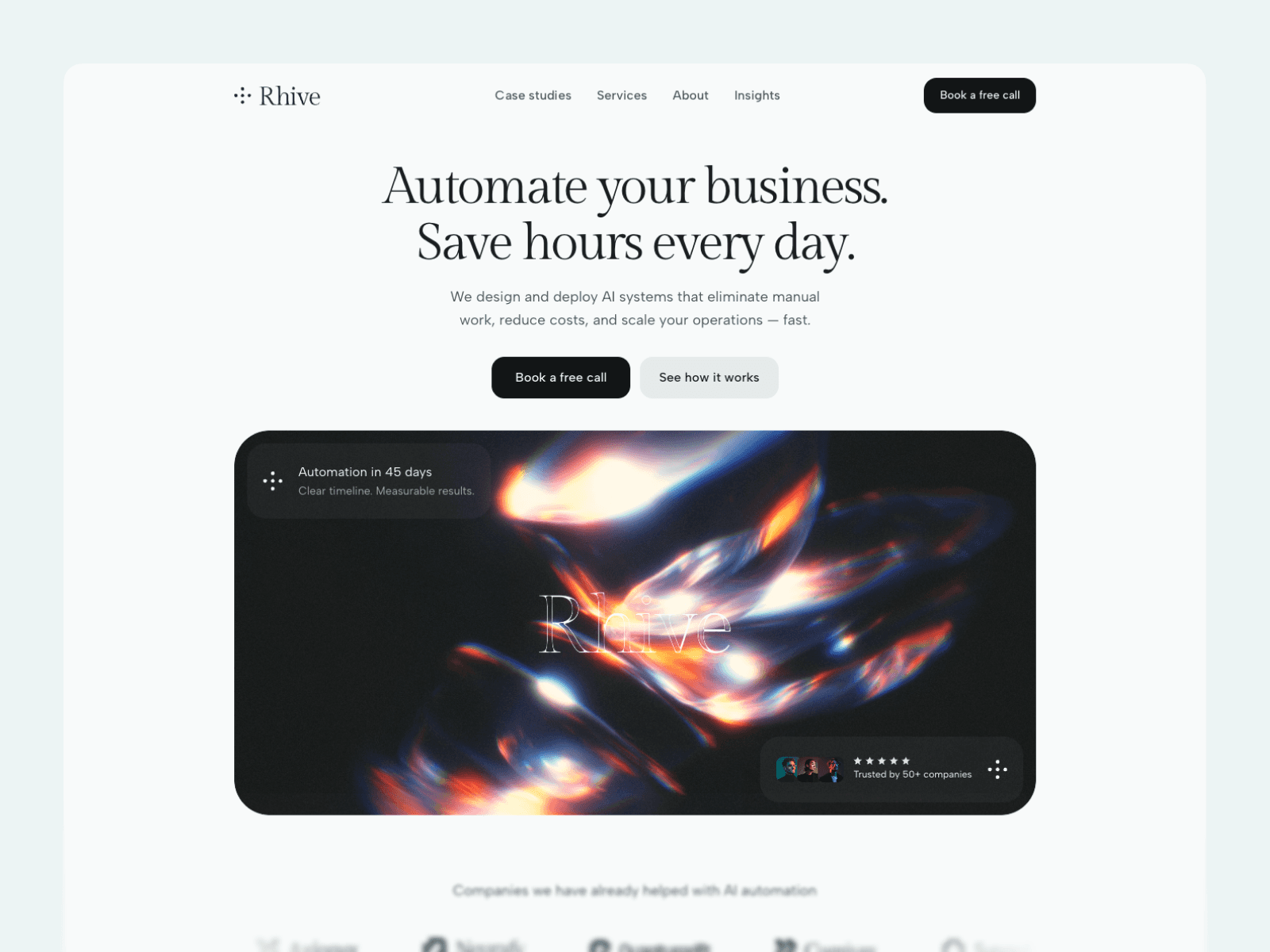
The pricing section of Umbral. It features detailed tables for comparing tiers.
Umbral is free, check it out if you haven't already.
Framer Designer from Hungary. Building templates & custom web experiences.
The pricing section of Umbral. It features detailed tables for comparing tiers.
Umbral is free, check it out if you haven't already.
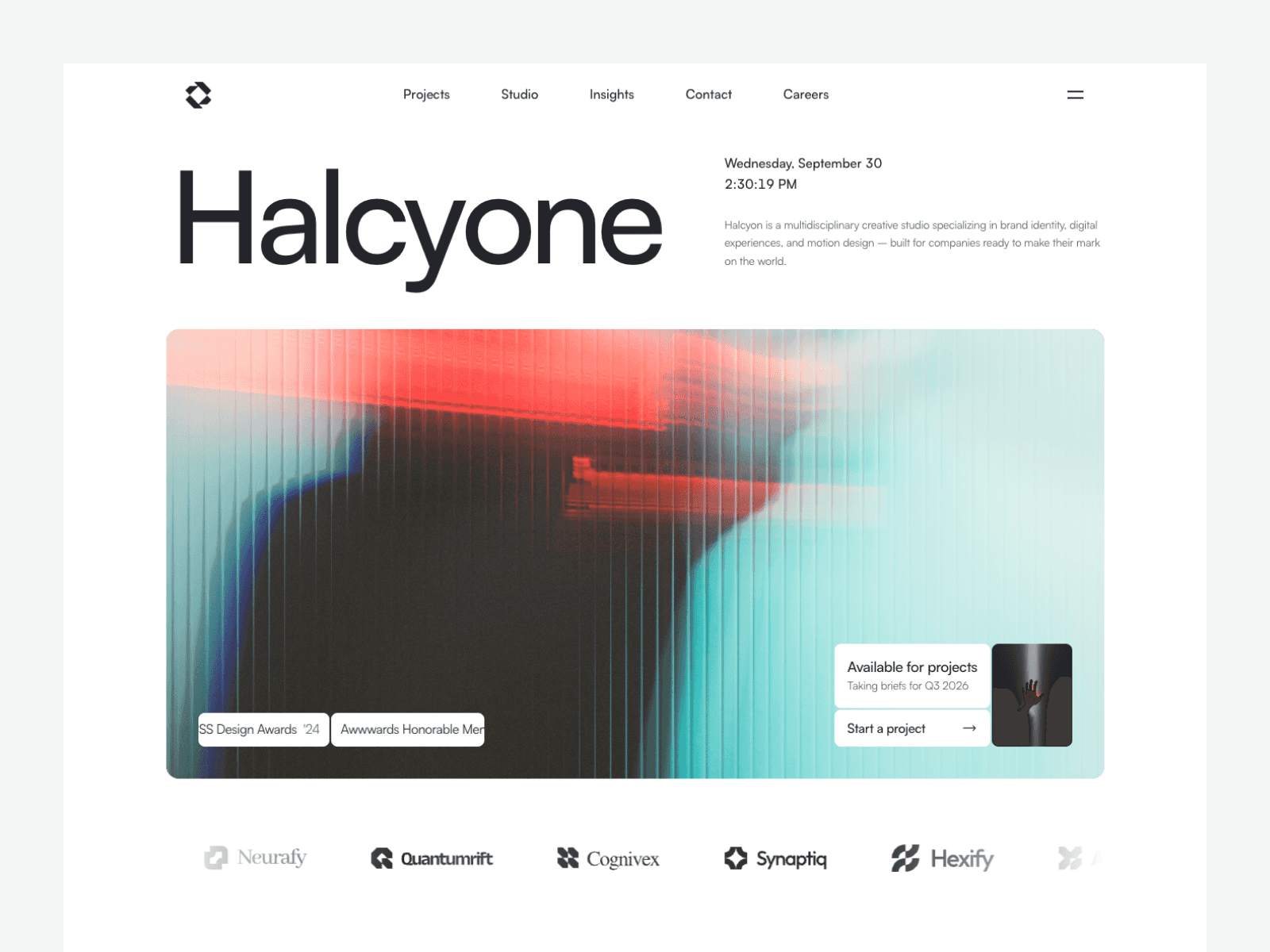
Still my favorite component from Halcyone. I was thinking about making a similar component. What do you think? Would you use it?
Every template I sell now ships with free AI prompts that write your homepage copy and CMS content, customize your color and type system, and generate SEO metadata and schema plus a guide for actually getting it all into Framer. No invented facts, no fake testimonials. If it doesn't know something about your business, it asks instead of guessing.
I had my first Framer template sale two days ago. Plus, they bought an all access version right away.
I published my first template to the marketplace a little over a month ago. I honestly didn't think I would have a sale already.
If you're wondering if you'll ever sell a single template, you will, trust me. It's just a matter of time. Keep going, keep pushing and good things will come.
Who has sold at least one template, how long did it take for you?
A little over a month since I've published Umbral to the Framer marketplace and it has finally made its first commission.
SEO and AEO for wooof.design, kept practical.
Every page has its own title and description, written for the actual thing on that page, not a generic template repeated everywhere. That alone puts it ahead of a lot of sites.
The newer part is thinking about AI answers, not just Google. When someone asks an AI assistant for a Framer template recommendation, the pages need to actually answer the question clearly, near the top, in plain language. Not buried under three paragraphs of preamble.
Same content either way. Just written so both a search engine and an AI can actually use it.
Analytics for wooof.design is deliberately minimal right now.
With no sales yet, most metrics are noise. Bounce rate, session duration, none of that tells me anything useful when there's nothing to compare it against. What I'm actually watching is simpler: how many people land on the site, which template page they go to, and whether they click through to checkout.
Everything else can wait until there's enough traffic and enough sales for the extra numbers to mean something. Right now, more data isn't more insight. It's just more to ignore.
Simple now, more later, once there's something to actually learn from it.
There's an email list for wooof.design already, even though there's not much to send yet.
The reasoning: an email address is worth capturing the moment someone's interested, not once there's a backlog of newsletters to justify asking. If I wait until I have "enough" to send, I miss everyone who showed up before that point.
The first email won't be a sales pitch. It's a welcome message with a discount code, something small that rewards signing up right away instead of asking people to wait around for value.
The list will matter more later. Building it starts now.
Branding for wooof.design cost nothing but time.
No designer, no brand agency, no budget for either. Just a pixel dog logo, a name spelled with three o's, and the same tone of voice everywhere it shows up. X, Pinterest, the site itself.
Consistency is the actual budget. The dog looks the same in every post. The way I write doesn't shift between platforms. It's not much of an audience yet, but every post is building toward the same identity instead of starting over each time.
No money needed. Just doing the same thing enough times for it to actually mean something.
Someone hits wooof.design. What happens next?
They land on the homepage, see the three templates immediately, and click into whichever fits. That page shows the actual site, live and clickable, not just screenshots. If they want it, they hit purchase, pay through Polar, and get the Framer remix link straight away.
The Framer marketplace listings still exist, but they're not the destination anymore. wooof.design is. The marketplace is just one more place someone might first see a template before ending up here.
One path, as few steps as possible between landing and owning it.
Pricing and checkout for wooof.design came down to a few decisions.
Payments run through Polar, which handles the checkout flow and hands out the Framer remix link automatically once someone pays. No manual delivery, no back and forth.
The tiers are simple. Standard, Pro, and Custom Setup for each template, plus an All Access option for anyone who wants everything. And Umbral is free, on purpose. It's the easiest way for someone to see the quality before they trust me with money for Rhive or Halcyone.
Free isn't a discount strategy here. It's the funnel.
Right now, wooof.design has zero sales. No customers, no reviews, nothing to point to.
Most template sites fill that gap with fake trust signals. Made-up "trusted by" logos, testimonials nobody said, stats pulled from nowhere. I'm not doing that. If it's not real, it doesn't go on the site.
So what's there instead? The work itself. Every page, every component, every interaction is something a visitor can actually look at and judge for themselves. No borrowed credibility, just the thing you're buying, shown honestly.
The trust signals will come later, once they're true. Until then, the templates have to do that job on their own.
Writing the homepage headline took longer than building most of the pages.
First drafts listed what the templates have, pages, components, structure. Accurate, but it's the kind of thing every template shop says. It doesn't tell anyone why to pick this one over the others.
What actually matters to someone buying a template isn't the feature list, it's the outcome: a site that looks like real design work went into it, without hiring anyone. So the headline became "Templates that look like you hired an agency."
One sentence, and it does more selling than the three paragraphs it replaced.
The homepage only has one job: get someone to a template as fast as possible.
Hero first, with a single headline. Then the template grid, immediately. No long explainer section before it.
Someone landing here is already looking for a template. Getting them there fast matters more than anything else on the page.
Everything else exists to support that decision, not delay it.
Before I designed anything for my template site, I wrote down what pages it actually needs.
Ended up with four: home, templates, pricing, support. That's it.
A blog, an about page, case studies — all of those can come later, once there's something real to put in them. Right now they'd just be empty pages padding out the nav.
Everything I left out, I left out because it doesn't move someone closer to a purchase. You can always add pages later. Starting with too many just means most of them sit there empty and make the whole thing feel unfinished.
Something I had to figure out early: do I build a personal brand, or a studio brand?
A lot of Framer creators post under their own name, and it works because people follow people. But my site couldn't be "Berci Hazman" — a template shop needs its own name that stands on its own.
So I run both. I post as Berci, because that's who you're actually talking to. The templates live under wooof, because that's a business, not a person.
The two aren't in competition. One builds trust, the other builds something that can outlast me being the one behind every post. Most solo creators need both, they just don't realize it until they hit this exact fork.
First real decision building my template site: the name.
I wanted something short, memorable, and impossible to confuse with anyone else. Landed on "wooof." Three o's, on purpose. It reads as deliberate, not a typo, and nobody else in the Framer space has anything like it.
Then the domain. wooof.studio and wooof.design were both open. I went with .design, because right now this is a place to buy templates, not a studio selling services. I'm holding onto the studio idea for later, when I lean more into client work.
The name isn't the hard part. Picking one you won't second-guess in three months is.
Four months ago I opened Framer for the first time. Now I've got three templates out and I'm building my own site to sell them from.
The marketplace changed. Revisions are gone, new templates flood in daily, and getting seen there keeps getting harder. Relying on it alone isn't a plan anymore.
So I'm building my own place to sell my work, and I'm going to document the whole thing here. The decisions, the mistakes, all of it.
Follow along if you're thinking about doing the same.